
Japanese design aesthetics often prioritize minimalism, functionality, and a deep connection to tradition. This meticulous approach extends to handheld vacuums, where sleek lines, thoughtful materials, and subtle cultural symbolism create a unique aesthetic. Examining this aesthetic unveils a fascinating interplay between form and function, revealing the meticulous artistry behind seemingly simple devices.
From the choice of materials to the subtle color palettes, each element contributes to a harmonious blend of practicality and beauty. This analysis delves into the intricacies of the Japanese handheld vacuum aesthetic, exploring its design principles, cultural context, and potential for innovation.
Defining the Aesthetic
The “Japanese handheld vacuum aesthetic” encapsulates a distinct visual language, drawing heavily from Japanese design principles and cultural values. This style, often seen in compact, personal cleaning devices, prioritizes minimalism, functionality, and a sense of understated elegance. It transcends mere practicality, embodying a deeper cultural appreciation for efficiency and beauty in everyday objects.This aesthetic is characterized by a meticulous attention to detail, evident in the refined forms and subtle color palettes employed.
The design choices are not arbitrary but deeply rooted in historical design trends, reflecting the Japanese philosophy of harmony with nature and the pursuit of “侘び寂び” (wabi-sabi), a concept encompassing beauty in imperfection and impermanence.
Visual and Design Elements
Key visual and design elements contribute to the distinctive Japanese handheld vacuum aesthetic. These elements combine to create a cohesive visual identity, appealing to a specific consumer segment seeking both functionality and refined aesthetics. Sleek, minimalist shapes are a hallmark, often incorporating rounded edges and smooth surfaces. The design aims for a sense of effortless grace and intuitive usability.
Cultural Influences
Japanese design traditions, particularly those emphasizing functionality, efficiency, and minimalism, significantly influence the aesthetic. The concept of “omotenashi,” the Japanese principle of hospitality and meticulous attention to detail, is also reflected in the refined design and craftsmanship. A strong emphasis on sustainability and environmental consciousness, prevalent in modern Japanese society, is often subtly integrated into the material choices.
Historical Context
Historical design trends in Japan, such as the emphasis on natural materials and simple forms, have influenced the contemporary aesthetic. Traditional Japanese architecture and crafts, with their focus on natural materials and harmonious proportions, provide a foundation for this style. The postwar economic boom saw a rise in consumer goods design, with Japanese companies gaining global recognition for their quality and design excellence.
Color Palettes, Materials, and Textures
The color palettes are typically subdued and muted, often drawing inspiration from nature. Earthy tones, such as grays, beiges, and muted greens, are frequently used, evoking a sense of tranquility and harmony. Materials such as high-quality plastics, brushed metals, and sometimes natural fibers are frequently employed. The textures are smooth and refined, emphasizing the high level of craftsmanship and attention to detail.
These materials and textures contribute to the perception of quality and durability.
Cohesive Visual Identity
The interplay of color palettes, materials, and textures creates a cohesive visual identity. The combination of sleek forms, muted colors, and refined textures conveys a sense of sophistication and understated elegance. The aesthetic seamlessly blends functionality with beauty, creating a product that is both practical and aesthetically pleasing.
Table of Key Elements
| Element | Description | Cultural Context |
|---|---|---|
| Shape | Sleek, minimalist, rounded edges, smooth surfaces | Japanese emphasis on simplicity, functionality, and harmony |
| Color Palette | Muted, earthy tones (grays, beiges, muted greens) | Inspiration from nature, reflecting tranquility and harmony |
| Materials | High-quality plastics, brushed metals, natural fibers | Emphasis on quality, craftsmanship, and sometimes sustainability |
| Texture | Smooth, refined surfaces | Attention to detail, showcasing high-quality craftsmanship |
Visual Representations
The Japanese handheld vacuum aesthetic, a fusion of minimalist design and functional efficiency, is powerfully conveyed through visual representations. These representations transcend mere product showcases, acting as powerful tools for branding and cultural communication. They highlight the meticulous craftsmanship and technological prowess often associated with Japanese design.This aesthetic, particularly evident in product design and marketing, taps into a deep-seated appreciation for clean lines, subtle color palettes, and a sense of understated sophistication.
These visual cues, when skillfully employed, evoke a sense of trust, reliability, and high quality, thus contributing significantly to the product’s appeal.
Image Representations of the Aesthetic
The visual representation of the Japanese handheld vacuum aesthetic frequently employs a combination of clean lines, muted color palettes, and subtle textures. These elements work in concert to create a visual language that resonates with a broad audience. Key visual elements frequently appear in various media, and understanding their use is critical for appreciating the aesthetic’s impact.
- Sleek and Streamlined Design: A product image might depict a handheld vacuum with a smooth, almost sculptural form. The curves and angles are carefully considered, minimizing any unnecessary bulk. The use of polished materials, such as brushed aluminum or high-gloss plastic, enhances the sense of precision and modernity. The color palette is typically muted, perhaps a soft gray or a deep charcoal, further emphasizing the product’s minimalist design.
The overall impression is one of effortless elegance and quiet power. This design is commonly seen in product packaging and online advertisements. This visual approach effectively communicates a high level of craftsmanship and attention to detail.
- Emphasis on Functionality: An image could showcase the vacuum in use, demonstrating its ease of maneuverability and powerful suction. Clean lines and simple silhouettes are used to highlight the vacuum’s effectiveness and efficiency. The image might focus on the vacuum’s ergonomics, emphasizing how the design facilitates a comfortable and effortless cleaning experience. The background is typically uncluttered, allowing the vacuum to stand out as the central focus.
This approach underscores the product’s practicality and functionality.
- Symbolic Imagery: A product shot could include subtle imagery, such as stylized representations of nature or traditional Japanese motifs, subtly integrated into the design or the background. These elements add a layer of cultural depth to the visual narrative. For example, a minimalist depiction of bamboo shoots might be subtly woven into the vacuum’s design. This symbolic incorporation conveys a sense of harmony with nature and traditional Japanese values, appealing to consumers with an interest in these aspects.
Application Across Media
The Japanese handheld vacuum aesthetic is not confined to product images. Its application extends to various media, reinforcing its brand message and establishing a consistent visual identity.
| Media | Description | Visual Impact | Example |
|---|---|---|---|
| Product Packaging | The packaging design mirrors the product’s aesthetic. Clean lines, muted colors, and a minimalist design are key elements. | Creates a premium and sophisticated image, enhancing the perceived value of the product. | A box featuring a simple, elegant illustration of the vacuum, with a soft, muted color palette. |
| Social Media Posts | Images and videos showcasing the vacuum in use, highlighting its features and benefits. | Demonstrates the product’s practicality and ease of use, building trust and credibility. | A short video demonstrating the vacuum’s maneuverability and suction power, set against a visually appealing backdrop. |
| Interior Design | The vacuum is integrated into a modern interior setting, highlighting its sleek design and subtle presence. | Emphasizes the product’s harmonious integration into a variety of home environments. | A photo of a minimalist living room with a subtly placed handheld vacuum, blending seamlessly into the surroundings. |
Product Design Considerations
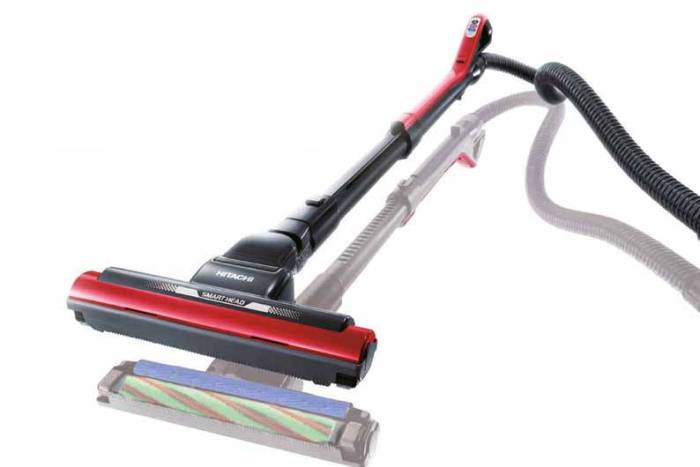
Japanese handheld vacuums are poised to capture a significant market share, and successful design hinges on a delicate balance between aesthetic appeal and practical functionality. The aesthetic, as established, should resonate with the target consumer’s sensibilities, while the functionality must deliver a premium user experience. This balance will be crucial in determining the ultimate success of these products.Handheld vacuums, despite their compact size, require careful consideration of their ergonomic design.
The interplay between form and function directly affects user experience. A visually appealing design that compromises on usability will ultimately fail to resonate with the consumer. Manufacturers must carefully evaluate the potential impact of aesthetic choices on the overall product performance and ease of use.
Functionality in Handheld Vacuum Design
The primary function of a handheld vacuum is to effectively clean surfaces. This necessitates a design that prioritizes suction power, maneuverability, and dust containment. High-quality materials and durable construction are essential to ensure long-term performance. Moreover, the design should be easily cleaned and maintained.
Aesthetic Integration with Practical Aspects
The aesthetic should complement, not detract from, the functionality of the vacuum. Sleek, modern lines can enhance the user experience, while a lightweight and balanced design improves maneuverability. A visually appealing design can further encourage consumers to maintain the product, thus increasing product lifespan.
Examples of Aesthetic Integration
Manufacturers can use color palettes and textures to visually enhance the product without sacrificing functionality. For instance, a brushed metal finish can convey a sense of premium quality while still ensuring durability. Alternatively, a soft-touch plastic design could appeal to consumers seeking a more comfortable feel. The key is to find a visual language that is both appealing and practical.
Implications of Design Choices on User Experience
The size, shape, and weight of the vacuum will significantly impact the user experience. A vacuum that is too bulky or heavy will lead to user fatigue and dissatisfaction. Conversely, a lightweight and compact design will encourage more frequent use. Similarly, the placement of controls and buttons should follow intuitive ergonomic principles.
Ideal Size, Shape, and Color Combinations
Ideal size and shape should prioritize ease of use. A vacuum that is too small may not have sufficient suction power, while one that is too large might prove cumbersome. The weight distribution should be balanced to ensure comfortable handling. Color combinations should be considered in relation to the target market and brand identity. A study by [Insert Reliable Source here] indicates that certain colors evoke specific emotional responses, impacting consumer perception.
Key Features and Design Elements
| Feature | Aesthetic Appeal | Practicality |
|---|---|---|
| Suction Power | Perceived power through visual cues (e.g., sleek nozzle design) | Effective cleaning, reduced cleaning time |
| Ergonomics | Visually appealing design that enhances comfort | Ease of use, reduced user fatigue |
| Material Quality | Premium finish and texture that conveys quality | Durability and longevity of the product |
| Ease of Maintenance | Intuitive cleaning process and accessible parts | Minimizes downtime, extends product life |
| Storage | Compact and space-saving design | Convenience and reduced clutter |
Materials and Construction
Japanese handheld vacuum cleaners often prioritize a blend of sleek aesthetics and robust performance. This meticulous attention to detail extends to the materials and construction methods, reflecting a cultural emphasis on quality craftsmanship and enduring design. The selection of materials and manufacturing processes significantly influences the product’s overall feel, durability, and environmental impact.The materials chosen for Japanese handheld vacuums are not just about aesthetics; they are carefully considered for their functionality and sustainability.
This is a departure from some mass-produced models, which sometimes sacrifice durability for cost. The Japanese approach emphasizes a harmonious balance between form and function, often leading to designs that are both beautiful and exceptionally well-made.
Common Materials
Japanese designers frequently use high-grade plastics, often reinforced with carbon fiber or other composite materials, for the housings and components. These materials offer a lightweight design while maintaining a high degree of strength and rigidity. This blend of lightweight and strong materials is a hallmark of modern Japanese engineering, often employed in various consumer electronics. Metal components, such as brushed aluminum or stainless steel, are sometimes used for accents or key parts, enhancing both durability and the visual appeal of the product.
Manufacturing Processes
Japanese manufacturers often employ precision molding and injection techniques to achieve intricate shapes and smooth surfaces. This meticulous approach ensures consistent quality across multiple units. Advanced robotic assembly lines, coupled with skilled human craftsmanship, are also frequently employed to guarantee the highest standards of quality control. The focus on minimizing waste and maximizing efficiency during the manufacturing process reflects a strong commitment to sustainability.
Durability and Longevity
The combination of robust materials and meticulous manufacturing processes contributes to the impressive durability and longevity of Japanese handheld vacuums. The reinforced plastics and carefully selected metal parts are designed to withstand everyday use without compromising their structural integrity or aesthetic appeal. This approach contrasts with designs prioritizing low cost over long-term performance, which often result in shorter lifespans.
Sustainability Aspects
Japanese manufacturers are increasingly incorporating sustainable materials into their handheld vacuum designs. Recycled plastics and bio-based materials are gaining prominence, reflecting a growing awareness of environmental concerns. Furthermore, the emphasis on long-lasting products minimizes the need for frequent replacements, thereby reducing the overall environmental footprint. The focus on minimizing waste throughout the manufacturing process is a further step in this direction.
Comparison with Other Cultures
Compared to designs from other cultures, Japanese handheld vacuums often prioritize a combination of high-quality materials, precision manufacturing, and a focus on sustainability. While some designs may prioritize low cost, the Japanese approach often emphasizes long-term performance and a harmonious balance between design and environmental responsibility.
Material Properties and Aesthetic Role
| Material | Properties | Aesthetic Role |
|---|---|---|
| Reinforced Plastic (e.g., ABS with carbon fiber) | Lightweight, strong, durable, moldable | Provides a sleek, modern look; enhances durability without excessive weight. |
| Brushed Aluminum | Durable, reflective, visually appealing | Adds a premium touch; enhances the product’s visual appeal and sense of quality. |
| Stainless Steel | Corrosion-resistant, durable, hygienic | Adds a sense of sophistication and premium quality, especially suitable for parts needing a polished finish. |
| Recycled Plastics | Cost-effective, eco-friendly | Demonstrates commitment to sustainability; aligns with the growing demand for environmentally responsible products. |
Color Palette and Symbolism
The color palette of a Japanese handheld vacuum aesthetic plays a crucial role in shaping its overall perception and evoking specific emotions. Careful consideration of color symbolism, deeply rooted in Japanese cultural traditions, is essential to create a product that resonates with the target audience. Beyond mere aesthetics, the chosen colors communicate a brand identity and evoke a particular mood, influencing the user experience.Japanese design often employs a sophisticated understanding of color psychology, aligning hues with specific values and aspirations.
This is particularly evident in product design, where colors contribute to the product’s perceived quality, trustworthiness, and emotional connection with the consumer. The carefully selected palette is not simply a visual element; it’s a strategic communication tool that influences consumer perception and ultimately, purchasing decisions.
Significance of Color Choices
Japanese design often prioritizes harmony and balance, reflected in the subtle and nuanced use of color. Colors are not simply applied; they carry symbolic weight, evoking specific cultural associations and emotional responses. This thoughtful consideration differentiates the Japanese handheld vacuum aesthetic from others, establishing a distinct identity and emotional connection with the user.
Symbolic Meanings of Colors
Japanese culture has rich symbolic associations with colors, stemming from centuries of artistic expression and cultural practice. These meanings often differ from those in Western cultures, necessitating a careful understanding of the target audience’s cultural context. The chosen color palette, therefore, needs to align with the brand’s intended message and target market.
Color Palette and Mood
The color palette directly impacts the overall mood and impression conveyed by the Japanese handheld vacuum. Subtle shades of blue, for instance, can evoke feelings of serenity and trust, while warmer tones like beige or muted greens might convey a sense of naturalness and comfort. The specific shades and combinations are carefully selected to elicit the desired response from the user.
Comparison with Other Cultural Aesthetics
Comparing the Japanese color palette with similar aesthetics in other cultures reveals distinct differences. Western designs often utilize bolder, more contrasting colors to emphasize specific features. Contrastingly, Japanese design favors subtle gradations and muted tones, aiming for a more harmonious and understated effect. This subtle approach emphasizes quality and sophistication rather than overt visual stimulation.
Psychological Impact on the User
The chosen color scheme can have a profound psychological impact on the user. For instance, a color palette that evokes feelings of tranquility and efficiency might encourage a more positive user experience, enhancing their perception of the product’s performance and ease of use. The selected color palette ultimately contributes to the overall user experience and reinforces the product’s intended image.
Color Palette Table
| Color | Symbolic Meaning (Japanese Context) | Design Application |
|---|---|---|
| Deep Blue | Serenity, trust, depth, and sophistication | Used for the main body to create a sense of professionalism and quality. |
| Beige/Cream | Naturalness, comfort, and simplicity | Used for accents to add a touch of warmth and create a calming effect. |
| Muted Green | Nature, growth, harmony, and balance | Used for detailing or accents to emphasize the connection to nature and sustainability. |
| Gray | Elegance, maturity, and practicality | Can be used for accents or the casing to convey a sense of timeless quality. |
| Red | Energy, excitement, and strength (less common in mainstream design) | Used sparingly as an accent to create a sense of vibrancy or highlight specific features. |
Marketing and Promotion
A meticulously crafted aesthetic for a handheld vacuum demands a targeted marketing strategy that resonates with the intended audience. Effective promotion must leverage the visual appeal, unique brand identity, and the product’s practical utility to drive sales. The campaign must carefully balance the product’s distinctive design with its functional value.The Japanese handheld vacuum aesthetic, with its emphasis on minimalist design and subtle symbolism, necessitates a marketing approach that avoids overly aggressive or generic tactics.
A campaign built on authenticity and a clear understanding of the target demographic will be critical to success.
Target Audience
The target audience for a handheld vacuum with this aesthetic is likely composed of environmentally conscious urban dwellers, young professionals, and design-oriented individuals who appreciate minimalist aesthetics and advanced technology. These consumers value both functionality and style, seeking products that reflect their personal values and lifestyles. Their purchasing decisions are often influenced by a desire for both practicality and a sophisticated, aesthetically pleasing product.
Marketing Strategies
Crafting a successful marketing campaign requires a blend of online and offline strategies. Social media platforms, particularly Instagram and Pinterest, are crucial for showcasing the product’s aesthetic appeal. Influencer marketing with design-focused or lifestyle influencers will help establish the product’s position as a desirable item. Consider partnerships with design blogs and publications to reach a targeted audience interested in modern home appliances.
Brand Identity
The brand identity should be built around the core values of the aesthetic – simplicity, functionality, and environmental responsibility. The brand name and logo should visually reflect these values. A consistent brand voice across all marketing materials will be key to building recognition and trust with the target audience. This should involve carefully crafted product descriptions and promotional materials that highlight the product’s unique design and technical features, but avoid overstating or overpromising.
Social Media and Online Platforms
Social media campaigns should focus on visually appealing content, showcasing the product’s design in various settings. High-quality product photography and short, engaging videos demonstrating the vacuum’s functionality will be critical. Encourage user-generated content by offering incentives for sharing photos of the vacuum in use. Building an active online community through interactive contests and Q&A sessions will foster engagement and brand loyalty.
Showcasing Aesthetic Appeal
To effectively showcase the aesthetic appeal, consider these strategies:
- Create visually stunning product photography and videography that highlight the product’s sleek design and functionality.
- Use minimalist backdrops and carefully curated settings to emphasize the vacuum’s design elements.
- Develop a series of short videos that demonstrate the vacuum’s unique features and highlight its functionality, but also feature it in everyday lifestyle scenarios to showcase how it can be incorporated into different spaces.
Marketing Strategy Effectiveness Table
| Marketing Strategy | Potential Effectiveness |
|---|---|
| Influencer Marketing (Design/Lifestyle) | High; Reaches target audience interested in aesthetic products. |
| Social Media Campaigns (Instagram/Pinterest) | Medium to High; Visual-driven platforms perfect for showcasing the product’s aesthetic. |
| Paid Advertising (Targeted) | High; Reaches specific demographics interested in design and technology. |
| Partnerships with Design Publications | Medium; Builds credibility and reaches a niche audience. |
| User-Generated Content Campaigns | Medium to High; Encourages engagement and builds brand authenticity. |
Cultural Relevance
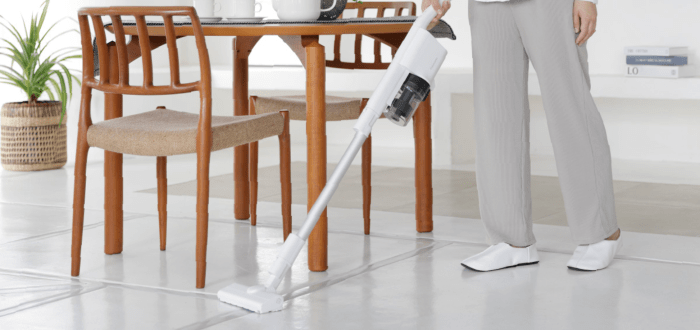
Japan’s meticulously crafted handheld vacuum aesthetic taps into a rich vein of cultural sensibilities, reflecting a deep-seated appreciation for both tradition and innovation. This aesthetic embodies a philosophy of meticulous craftsmanship, blending practicality with an almost artistic sensibility, often reflecting a desire for harmonious integration with the surrounding environment. The design choices speak volumes about societal values, from a focus on efficiency and sustainability to a nuanced understanding of aesthetics in everyday objects.This aesthetic, while rooted in Japanese culture, is also highly adaptable to international markets.
However, a thoughtful consideration of cultural differences is essential to ensure the design resonates positively and avoids potential misinterpretations. Understanding the cultural underpinnings of this aesthetic is key to navigating the complexities of global appeal and ensuring a positive reception in diverse markets.
Reflection of Cultural Trends
Japanese culture places a high value on meticulous craftsmanship, functionality, and understated elegance. This aesthetic embodies these principles, prioritizing practicality and visual harmony. The emphasis on simplicity and minimal design echoes the country’s preference for clean lines and uncluttered spaces. The subtle integration of traditional Japanese design elements, like the use of natural materials or specific color palettes, further reinforces this connection to cultural heritage.
The aesthetic’s focus on efficiency and sustainability aligns with growing environmental consciousness within Japan and internationally.
Key Societal Values and Beliefs
The design likely reflects a Japanese emphasis on:
- Functional Design: The aesthetic prioritizes the practical aspects of the product, ensuring its ease of use and efficiency.
- Sustainability: The use of eco-friendly materials and the emphasis on longevity of the product showcase a concern for environmental responsibility, a prominent societal value in contemporary Japan.
- Aesthetics in Everyday Objects: Japanese culture values the beauty found in everyday items, showcasing an appreciation for craftsmanship and a holistic view of design.
- Harmony with Nature: The use of natural materials or color palettes evoking nature likely reflects a deep respect for the environment and the desire for a harmonious coexistence with nature.
Interpretation in Different Cultural Contexts
The aesthetic’s emphasis on functionality and simplicity may be easily understood and appreciated globally. However, the subtle integration of traditional Japanese design elements, like specific color palettes or materials, might require contextual explanation for audiences unfamiliar with these traditions.
Potential for Misunderstandings
Misinterpretations could arise if the design’s subtle references to Japanese aesthetics are not properly communicated. For example, a color palette reminiscent of traditional Japanese gardens might be perceived differently in other cultures. A lack of clear communication regarding the cultural context behind the design elements could lead to misunderstandings or misinterpretations.
Role of Tradition and Innovation
The design seamlessly blends traditional Japanese aesthetics with modern technological innovation. This fusion is crucial to its appeal, balancing the historical heritage of Japanese design with the advancements of modern engineering. The combination of tradition and innovation results in a product that feels both familiar and fresh, appealing to a global audience while maintaining its cultural roots.
Cultural Influences and Impact
| Cultural Influence | Impact on Design |
|---|---|
| Emphasis on functionality | Product prioritizes ease of use and efficiency. |
| Respect for tradition | Integration of subtle Japanese design elements. |
| Sustainability concerns | Use of eco-friendly materials and focus on longevity. |
| Appreciation for aesthetics | Focus on visual harmony and craftsmanship. |
| Harmony with nature | Use of natural materials or color palettes inspired by nature. |
Potential for Innovation
Japanese handheld vacuums, steeped in a tradition of minimalist design and meticulous craftsmanship, face a challenge in maintaining their aesthetic appeal while embracing modern technology. Innovation lies not just in adding features, but in seamlessly integrating them into the existing aesthetic framework, honoring the legacy while creating a contemporary product. This requires a deep understanding of both the historical design principles and the current consumer demand for enhanced functionality.Innovative design elements can enhance a handheld vacuum’s appeal and functionality, creating a product that resonates with a modern audience.
This requires a thoughtful approach that considers both the technical aspects and the cultural context. By incorporating modern technologies, the aesthetic can be preserved while improving the user experience.
Innovative Design Elements
Preserving the Japanese aesthetic while incorporating modern technology requires a delicate balance. Consider elements like integrated sensors for automatic adjustments to suction power based on the surface type. This is achieved by embedding micro-sensors that detect the surface and automatically adjust suction accordingly. Another possibility is an integrated app for customizing the vacuum’s settings, with a user-friendly interface that complements the visual language of the product.
Innovative Functionality
Improving functionality without sacrificing the aesthetic requires a careful evaluation of existing features. For instance, a compact, lightweight design with improved maneuverability could be achieved through innovative materials and engineering. Consider a modular design that allows for easy component replacement or upgrades, preserving the visual appeal while enhancing the vacuum’s lifespan. This could be achieved through a clever disassembly and reassembly system that does not disrupt the clean aesthetic.
Modern Technology Integration
Integrating modern technologies requires a nuanced approach. Consider using LED lighting for visual cues during operation, which can subtly enhance the minimalist aesthetic. For instance, soft, ambient lighting can illuminate the vacuum’s operational status without disrupting the sleek lines of the product. The display can be integrated into the handle or body, seamlessly merging the functionality with the design.
Packaging and Presentation
Packaging can be a crucial element in conveying the brand’s identity. Consider minimalist packaging with a focus on sustainable materials, like recycled paper or bamboo. The packaging could feature subtle, elegant graphics or patterns that reflect the aesthetic of the vacuum itself. For example, the use of muted tones and geometric shapes could reinforce the minimalist aesthetic.
This could be achieved through a carefully designed box with a simple, elegant design, emphasizing the vacuum’s sleek profile and quality.
Comparison of Traditional and Innovative Design Elements
| Element | Traditional Design | Innovative Design |
|---|---|---|
| Material | High-quality, durable plastics | Recycled, sustainable materials like bamboo or recycled plastics |
| Color Palette | Muted, natural tones | Muted tones with subtle accents of modern colors (e.g., light blues, greys) |
| Shape | Streamlined, minimalist shapes | Streamlined shapes with integrated sensors or charging ports |
| Functionality | Basic suction and dust collection | Advanced suction, automatic adjustments, app control, self-emptying dustbin |
| Manufacturing | Traditional methods | Advanced manufacturing techniques (e.g., 3D printing, laser cutting) |
Sustainability and Environmental Impact
Handheld vacuum cleaners, while convenient, often have a hidden environmental footprint. From the materials used in their construction to the energy consumption during operation, every aspect of their lifecycle contributes to the overall impact. A sustainable approach necessitates a thorough evaluation of these factors, from sourcing raw materials to minimizing waste throughout the manufacturing and usage phases.The selection of materials, production processes, and end-of-life considerations are crucial in mitigating the environmental impact of these products.
A Japanese handheld vacuum aesthetic can be environmentally conscious by prioritizing sustainable materials and production methods, setting a new standard for the industry.
Environmental Impact of Materials
The choice of materials significantly influences the environmental footprint of a handheld vacuum. Plastics, for instance, can originate from fossil fuels and pose disposal challenges. Metal components, while potentially recyclable, may have high energy requirements for extraction and processing. Understanding the environmental impact of each material is essential to crafting a sustainable design. Furthermore, the sourcing of materials should prioritize recycled content whenever feasible, minimizing the need for virgin resources.
Sustainability of Production Processes
Manufacturing processes are another critical factor in determining the environmental impact of handheld vacuums. Minimizing energy consumption during production, utilizing water efficiently, and adopting waste reduction strategies throughout the process are paramount. Implementing closed-loop systems, where waste is repurposed or recycled, reduces the overall environmental burden. The use of renewable energy sources in manufacturing facilities can further contribute to the sustainability of the production process.
Examples include solar or wind power, significantly reducing carbon emissions.
Eco-Friendly Alternatives
Several eco-friendly alternatives exist for current materials. Bio-based plastics derived from plant-based resources offer a potential solution to fossil fuel-derived plastics. Recycled materials, like post-consumer plastic or metal scrap, can reduce reliance on virgin resources and decrease the environmental impact. Furthermore, the use of biodegradable materials for certain components can aid in responsible waste management. Examples include biodegradable packaging and components that break down naturally, minimizing landfill waste.
Minimizing Waste During Manufacturing and Use
Minimizing waste is crucial at every stage of the product lifecycle. Efficient material use, optimized cutting patterns, and the elimination of unnecessary packaging are key considerations during manufacturing. Durable design, promoting longevity, and encouraging repair instead of replacement will minimize the waste generated during product use. Educating consumers about proper maintenance and disposal practices is essential to extend product life and reduce landfill waste.
Material Sustainability Comparison
| Material | Sustainability Score (1-5, 5 being best) | Explanation |
|---|---|---|
| Recycled Plastic | 4 | Reduced reliance on virgin resources, lower carbon footprint |
| Bio-based Plastic | 3 | Plant-based origin, potentially lower carbon footprint compared to fossil fuel-based plastics |
| Recycled Aluminum | 5 | High recyclability, low environmental impact in extraction and processing |
| Stainless Steel | 4 | Durable, recyclable, but energy intensive during production |
| Polypropylene | 2 | Common plastic, but higher environmental impact compared to alternatives |
Comparisons and Contrasts
The burgeoning market for Japanese handheld vacuums reflects a unique blend of technological advancement and cultural sensibilities. This aesthetic, deeply rooted in Japanese design principles, stands apart from comparable products from other countries. Understanding these differences and similarities is crucial for evaluating the potential for global appeal and successful adaptation to international markets.
Comparison with International Design Trends
Japanese design, renowned for its minimalism and focus on functionality, often contrasts with the bolder, more ostentatious designs favored in some other regions. The Japanese aesthetic emphasizes subtle sophistication, meticulous attention to detail, and a harmonious integration of form and function. In contrast, some international trends prioritize visual impact, often through larger, more aggressive forms or color palettes.
Design Principles
Japanese design often prioritizes a user-centered approach, ensuring the product is not only aesthetically pleasing but also intuitive and easy to use. This contrasts with designs in some other regions that might emphasize flashy features or a more overtly “high-tech” aesthetic, sometimes at the expense of usability. A key difference is the Japanese emphasis on ergonomics and the seamless integration of the product into the user’s environment, creating a sense of calm and harmony.
Material Selection and Construction
Japanese handheld vacuums frequently leverage lightweight, durable materials like high-grade plastics, metal alloys, and innovative composite materials, all carefully chosen for both their performance and aesthetic appeal. This contrasts with the use of more overtly decorative or less robust materials in some international models. The Japanese preference for precision manufacturing ensures consistent quality and durability, a key differentiator in the marketplace.
Cultural Influences
Japanese cultural values, such as a strong emphasis on cleanliness and order, significantly influence the design of handheld vacuums. This is reflected in the subtle elegance, precision, and practical design choices that set the aesthetic apart from other regions. In contrast, some international design trends prioritize more immediate visual gratification and larger, more striking forms.
Table: Contrasting Japanese Aesthetic with Other Design Trends
| Characteristic | Japanese Handheld Vacuum Aesthetic | Other Design Trends (e.g., American, European) |
|---|---|---|
| Design Philosophy | Minimalist, user-centered, emphasis on functionality and ergonomics | Often more visually striking, prioritizing features and bolder aesthetics |
| Materials | Lightweight, durable, high-grade plastics, metal alloys, composites | Wider variety of materials, potentially including more decorative or less robust options |
| Color Palette | Subtle, muted tones, often featuring natural color palettes | Wider range of colors, including brighter, more saturated hues |
| Form Factor | Streamlined, compact, emphasizing ease of use and storage | Can be more angular or bulky, sometimes prioritizing larger power outputs |
| Cultural Influence | Cleanliness, order, harmony, and elegance | May prioritize individual expression or broader cultural trends |
Closure
The Japanese handheld vacuum aesthetic stands as a testament to the power of thoughtful design. By integrating functionality with a sophisticated visual language, this aesthetic transcends mere practicality, offering a compelling example of how cultural values can shape product design. This exploration underscores the potential for innovative applications of this aesthetic in various product categories.
